



Cryptocurrencies have grown from a niche technology into an asset class followed by individual investors, financial institutions, and regulators around the world. Research from Boston Consulting Group and industry reports from Chainalysis show that digital asset adoption has expanded across retail and institutional markets, while traditional investments such as stocks, bonds, mutual funds, and guaranteed investment products continue to form the foundation of many long-term portfolios. As investment choices become more diverse, many people are asking whether these two approaches can successfully coexist.
The answer depends less on choosing one over the other and more on building a strategy that reflects personal goals, risk tolerance, and financial circumstances. A thoughtful approach to comprehensive wealth management can examine where cryptocurrencies fit alongside established investments while considering retirement planning, tax efficiency, insurance needs, estate objectives, and long-term financial security.
Traditional Investments Offer Stability and Long-Term Growth
Stocks, bonds, mutual funds, exchange-traded funds, and guaranteed investment products have supported long-term wealth building for decades. Historical data from Morningstar, MSCI, and the S&P Dow Jones Indices demonstrates that diversified equity portfolios have generated positive long-term returns despite periods of market volatility.
Bonds often provide income and help reduce overall portfolio risk during uncertain market conditions. Guaranteed investment products, commonly used in Canada, appeal to conservative investors seeking capital preservation and predictable returns. Mutual funds and ETFs make diversification easier by spreading investments across multiple sectors, companies, or geographic regions.
These traditional assets benefit from mature regulatory systems, established reporting standards, and extensive historical performance data. Investors generally have access to well-developed financial advice, investor protections, and transparent disclosure requirements that support informed decision-making.
The Appeal of Digital Assets
Digital assets offer a different set of opportunities. Cryptocurrencies such as Bitcoin and Ethereum operate on blockchain technology, allowing transactions without relying entirely on traditional financial intermediaries. Findings from The World Economic Forum highlight blockchain’s potential to improve transparency, efficiency, and financial accessibility.
Many investors are attracted by the possibility of high returns, particularly during periods of rapid market growth. Digital assets can also provide exposure to an emerging technology sector that differs from conventional equity markets.
Accessibility is another advantage. Cryptocurrency exchanges operate around the clock, allowing investors to buy or sell assets at almost any time. Entry costs can also be relatively low because many platforms allow purchases of fractional cryptocurrency holdings rather than requiring the purchase of a full coin.
Some portfolio managers view limited cryptocurrency exposure as a potential diversification tool. Studies published by the CFA Institute Research Foundation suggest that carefully managed allocations may improve diversification under certain market conditions, although results vary depending on the size of the allocation and changing market correlations.
The Counterargument: Greater Risk Requires Greater Caution
The advantages of digital assets come with significant trade-offs. Cryptocurrency prices can fluctuate dramatically over short periods. Data from CoinMarketCap and research by the International Monetary Fund illustrate that digital asset markets have experienced large price swings that exceed those typically seen in diversified stock or bond portfolios.
This volatility makes cryptocurrencies less suitable for investors who may need immediate access to their savings or who have a low tolerance for investment risk. Retirement portfolios designed to provide stable income often require careful consideration before including highly volatile assets.
Market sentiment, regulatory announcements, technological developments, and macroeconomic events can all influence cryptocurrency prices within hours. Unlike many traditional investments, digital assets may experience extended periods of sharp declines without clear valuation benchmarks.
Custody, Regulation, and Cybersecurity
Owning digital assets introduces responsibilities that many traditional investors rarely encounter. Investors must decide whether to store assets with a regulated exchange, use third-party custodians, or maintain private wallets secured by cryptographic keys.
Experts from the U.S. Securities and Exchange Commission and the Canadian Securities Administrators encourage investors to verify whether trading platforms are properly registered and to understand how client assets are protected. Platform failures and cybersecurity breaches have demonstrated the importance of choosing reputable service providers.
Cybersecurity remains a major consideration. While blockchain networks themselves are generally designed with strong security features, phishing attacks, stolen credentials, and fraudulent investment schemes continue to target cryptocurrency owners. Reports from the Federal Bureau of Investigation consistently identify cryptocurrency-related fraud as an area of growing concern.
Taxation and Reporting Responsibilities
Taxes represent another important difference between traditional and digital investments. Many countries require investors to report cryptocurrency transactions, including sales, exchanges, and certain income-generating activities.
Guidance from the Canada Revenue Agency explains that cryptocurrency transactions may result in capital gains, business income, or other taxable events depending on individual circumstances. Similar guidance exists from the Internal Revenue Service in the United States and tax authorities in many other jurisdictions.
Accurate record-keeping becomes essential because investors may complete numerous transactions across multiple exchanges and digital wallets. Failure to maintain proper records can complicate tax reporting and increase compliance risks.
Finding Balance Within a Financial Plan
The debate between traditional investments and digital assets does not require an all-or-nothing decision. Many financial professionals suggest evaluating cryptocurrency exposure within the broader context of an investor’s complete financial picture. Readers interested in learning more about practical finance and crypto investment strategies can also explore how different approaches may complement long-term financial planning while understanding the risks involved.
A balanced strategy may include diversified equity investments for long-term growth, fixed-income securities for stability, guaranteed products for capital preservation, and a carefully limited allocation to digital assets for investors who understand the associated risks. The appropriate mix varies based on age, investment horizon, income needs, financial obligations, and overall objectives.
Estate planning deserves attention as well. Unlike conventional investment accounts, digital assets may require detailed instructions regarding wallet access, security credentials, and succession planning to ensure beneficiaries can legally access holdings when appropriate.
Conclusion
Digital assets and traditional investments serve different purposes within modern portfolios. Conventional holdings continue to provide a strong foundation through diversification, regulatory oversight, and long-term historical performance. Cryptocurrencies offer innovation, accessibility, and potential growth opportunities, although they introduce greater volatility, operational complexity, and regulatory uncertainty.
Rather than viewing these investments as competing choices, investors may benefit from evaluating how each supports their broader financial goals. A well-structured financial strategy considers investment growth alongside retirement planning, insurance protection, tax efficiency, estate planning, and changing life priorities. As digital finance continues to evolve, thoughtful portfolio construction and informed decision-making will remain more valuable than chasing any single investment trend.














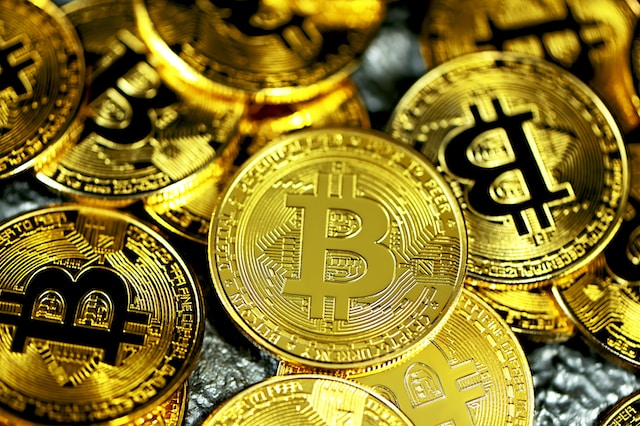




 Crypto arbitrage is a way of making money by taking advantage of price differences for the same cryptocurrency on different platforms. A crypto arbitrage trader buys Bitcoin where it’s cheaper and sells it where it’s higher, keeping the profit.
 Bitcoin hit a record high above $109,000 recently, driven by a surge in corporate interest. Companies are diving into crypto, reshaping the financial landscape. This trend has sparked excitement and debate among investors.



 Property transactions are often complex and time-consuming. From verifying ownership to completing legal formalities, the traditional process involves multiple layers that can slow things down. Blockchain technology, known for its transparency and security, has the potential to revolutionize real estate transactions globally, including in Costa Rica.
 The global investment landscape has seen significant shifts over the years. Traditional assets like precious gems have stood the test of time, while cryptocurrencies have emerged as a modern alternative. Both investment avenues offer unique advantages and challenges. This analysis will delve into the pros and cons of investing in precious gems compared to cryptocurrencies, examining market trends and potential returns.
 Brokers offer a richness of industry knowledge and experience. They keep current on the newest rules and trends in both the developing crypto sector and conventional finance. Their knowledge enables them to suggest the finest insurance policies for companies functioning in these exciting surroundings and offer wise guidance.
 Many homeowners in Georgia are looking for the best landscape design that will make sense for them, either for personal enjoyment or as a home improvement investment. Apparently, they still have that desire to beautify their living spaces, which first came around during the 2020 pandemic. In Georgia, most homeowners rediscovered the importance and practicality of having a cozy backyard they could use as a weekend retreat of sorts; rather than spend money on costly and often tiresome long distance travels.
 In contrast to building an outdoor kitchen, building a pizza oven or adding a fire pit are relatively functional and at the same time inexpensive. The general advice is to go slow on major outdoor improvement projects as many were forced to put their hardscape constructions on hold due to unexpected price increases.

